A bad home inspection is one of the most expensive mistakes you can make in a real estate transaction.
The inspector who misses the failing HVAC, the active roof leak, or the foundation crack with deferred settling doesn’t just cost you a negotiation. They can cost you $20,000, $40,000, or more after closing. Finding an inspector you can trust is not optional. It’s one of the most important decisions in the entire buying process.
We researched home inspection companies across the United States, looking at certifications, service offerings, review volume, report quality, and track record. The 20 companies below made the cut. Here’s who they are and what sets each one apart.
What Certifications Should a Home Inspector Have?
Not every state requires home inspectors to hold a license, which means the barrier to entry in some markets is almost nonexistent. Certifications are how you separate trained professionals from someone who took a weekend course and bought a clipboard.
InterNACHI (International Association of Certified Home Inspectors) is the largest inspector certification body in the world. InterNACHI-certified inspectors must complete a rigorous training curriculum, pass proctored exams, and meet continuing education requirements every year to maintain certification. The InterNACHI “Find an Inspector” directory is a reliable starting point in any market.
ASHI (American Society of Home Inspectors) is the other major certification body. ASHI-certified inspectors must pass the National Home Inspector Examination and complete a field experience requirement before earning full certification. Many experienced inspectors hold both ASHI and InterNACHI credentials.
State licensing is required in most states, but the requirements vary widely. States like Texas, Florida, and New York have detailed licensing programs with exam requirements and continuing education. Other states have minimal requirements. Always verify that your inspector holds a current license if your state requires one.
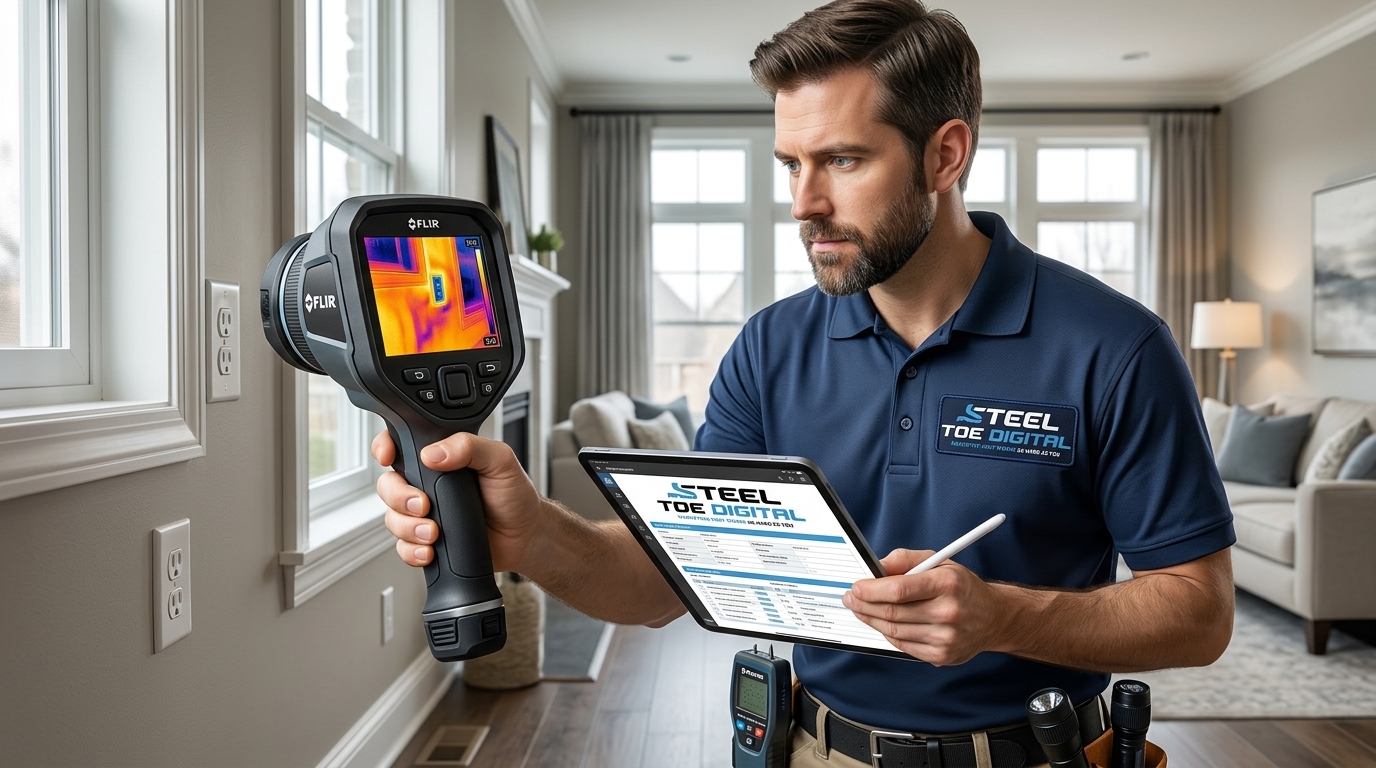
Specialty certifications add real value for certain properties. Radon certification is worth having in high-radon regions. Thermal imaging certification signals an inspector trained to find hidden moisture, insulation gaps, and electrical anomalies. Mold assessment certification and sewer scope training are increasingly offered by top inspectors and worth asking about.
The inspectors you hire should be able to name their certifications, show you their license number, and provide proof of errors and omissions insurance. If they can’t, find someone else.
The 20 Best Home Inspection Companies in America
1. Pillar To Post Home Inspectors (National Franchise)
Pillar To Post is the largest home inspection franchise in North America, with more than 550 locations across 49 states. Founded in 1994, they have completed millions of inspections and have been ranked on Entrepreneur Magazine’s Franchise 500 list for 29 consecutive years, earning a spot in the Franchise 500 Hall of Fame in 2024.
Every Pillar To Post franchisee completes an 11-week training program covering technical inspection skills, business operations, and client communication. Report quality is strong: inspectors use standardized formats with photos and clear explanations of defects. Quality can vary by local franchisee, so checking Google reviews for your specific market matters. In most markets, they are easy to book, fast to deliver reports, and widely trusted by real estate agents across the country.
2. HouseMaster Home Inspections (National Franchise)
HouseMaster is the oldest home inspection franchise in North America, founded in 1971 and franchising since 1979. With more than 275 locations throughout the United States and Canada, they have one of the longest track records in the industry.
HouseMaster is recognized by Franchise Business Review for high franchisee satisfaction, which matters in a franchise model because happy owners run better operations. Their training program covers technical inspection skills alongside business systems, and their inspectors follow a detailed standards of practice that mirrors ASHI guidelines. HouseMaster is consistently ranked on the Entrepreneur Franchise 500. Local franchisees in well-established markets often carry hundreds of reviews and strong realtor relationships built over decades.
3. WIN Home Inspection (National Franchise)
WIN Home Inspection was founded in 1993 and has grown to become one of the fastest-growing inspection franchises in the country, with inspectors in more than 45 states. What separates WIN from other national brands is the depth of their service menu: WIN trains inspectors in more than 35 services in-house, from standard home inspections to radon testing, mold sampling, sewer scopes, and commercial inspections.
WIN also offers proprietary reporting technology and end-to-end marketing support to franchisees, which means the local WIN inspector in your market likely has more operational infrastructure than a competing independent. Their average gross revenue per franchisee is among the highest in the inspection franchise category. If you’re looking for a single company that can handle a full suite of inspection services under one appointment, WIN is worth calling.
4. AmeriSpec Inspection Services (National Franchise)
AmeriSpec has been operating for more than 30 years, performing more than 150,000 inspections annually through a network of over 225 locations across North America. The company was formerly owned by ServiceMaster and was acquired by Eagle Merchant Partners in 2023. Their inspectors assess more than 400 items per property covering structural, mechanical, plumbing, electrical, and roofing systems.
AmeriSpec’s specialty service list is one of the most extensive among national franchise brands: radon gas testing, mold testing, lead-based paint testing, water analysis, septic testing, pool and spa inspections, wood-destroying insect inspections, carbon monoxide testing, infrared thermography, and gas leak detection. For buyers of older homes or properties with specific environmental concerns, the depth of that service menu is a genuine advantage.
5. National Property Inspections (NPI) (National Franchise)
NPI was founded in 1987 and is based in Omaha, Nebraska, operating 228 franchises across the United States and Canada. What distinguishes NPI in the franchise space is their dual emphasis on residential and commercial inspection training. NPI is the only property inspection franchisor that provides exclusive territories and training in both residential and commercial inspections, giving their inspectors a broader skill base than franchisees who focus only on residential work.
NPI also offers military veterans a 20 percent discount on franchise fees, which has contributed to a franchisee base that skews toward veterans with a strong service ethic. Their standardized inspection protocols and reporting software produce consistent, readable reports. In markets where NPI has a long-tenured franchisee, the local reputation and review volume are typically strong.
6. HomeTeam Inspection Service (National Franchise)
HomeTeam was founded in 1992 with a model that is genuinely different from every other inspection company on this list: they send a team of certified inspectors to every appointment. While most inspectors work solo, HomeTeam sends two or more inspectors to each property, allowing them to complete inspections faster without reducing thoroughness. Different inspectors focus on different areas of the home, meaning more than one set of trained eyes evaluates every system.
That model matters in markets where inspection backlogs slow closings. HomeTeam has grown to more than 150 locations serving 200 territories nationwide and has been recognized on Entrepreneur’s Franchise 500 list. Their inspectors carry multiple certifications and their reports are delivered promptly after the inspection. For buyers on tight closing timelines, the team-based model is a real differentiator.
7. The Elite Group (California: Los Angeles, Orange County, San Diego, Diamond Bar)
The Elite Group has been inspecting homes in California since 1984, completing more than 600,000 inspections over four decades. They are the largest home inspection company in California by volume, with a team of 65 or more certified inspectors and more than 10,000 five-star reviews across platforms, making them the most-reviewed home inspection company in North America.
Their inspectors are trained to check more than 1,800 items per property. Every inspection includes a same-day or next-day digital report with photos, and the company carries a $1 million insurance policy for additional buyer protection. Every inspection also comes with a five-year platinum roof leak warranty, a MoldSafe guarantee, and sewer line protections. For California buyers in a competitive real estate market, the speed and depth of their inspections are exactly what agents and buyers need.
8. Noble Property Inspections (TX, FL, GA, CO, CA, AL, NC – Multi-State)
Noble Property Inspections was founded in 2019 by licensed professional engineers, and the engineer-owned model sets them apart. While most inspection companies hire inspectors who complete certification courses, Noble employs engineers who also hold inspection licenses. That dual qualification means a higher baseline of structural and systems knowledge on every job.
Noble operates in 15 markets across 7 states: Texas (Houston, Dallas-Fort Worth, San Antonio, Austin, El Paso), Florida (Tampa, Orlando, Jacksonville, Pensacola, Miami), Georgia (Atlanta), Colorado (Denver), California (Los Angeles), Alabama (Mobile), and North Carolina (Raleigh). All inspectors hold state licenses in their respective markets. With more than 1,100 five-star reviews and same-day digital reports, Noble has built a track record in only a few years that most inspection companies take decades to reach.
9. Advantage Inspection Service (Phoenix, AZ)
Advantage Inspection Service has been operating in the Phoenix metropolitan area since 1988, completing more than 130,000 inspections over nearly 40 years. Their president, David Swartz, is a past president of the Arizona chapter of ASHI, served on the ASHI national board, and led the development of Arizona’s home inspector licensing program. That depth of professional involvement is not common in regional inspection companies.
All Advantage inspectors are Arizona-state certified and hold termite inspection certification, meaning buyers can get both a full home inspection and a termite evaluation from the same inspector in a single visit. Advantage carries more than 476 reviews on Yelp with a strong overall rating. In a market where extreme summer heat stresses HVAC, roofing, and plumbing systems, 38 years of local experience carries real weight.
10. Criterium Engineers (National, 35 Affiliate Offices)
Criterium Engineers is a national organization of professional engineers and architects founded in 1957. With more than 35 affiliate offices and more than 150 licensed architects and professional engineers serving clients across North America, Criterium operates differently from every other company on this list. They use licensed professional engineers to conduct inspections and review final reports.
That model matters in states where home inspection licensing is minimal. An engineer-stamped inspection report carries more weight in disputes, and engineers evaluate structural issues with a level of technical training that most inspectors do not have. Criterium has evaluated more than 850,000 buildings across North America and has been listed in the Engineering News Record Top 500 Design Firms. For high-value properties, unusual structures, or transactions where detailed structural evaluation is a priority, Criterium is in a separate category from typical inspection companies.
11. Inspect360 (Dallas-Fort Worth, TX)
Inspect360 has been serving the Dallas-Fort Worth area since 2006. Based in Colleyville, Texas, they offer one of the most complete service menus of any independent inspector in the region: buyer home inspections, pre-listing inspections, new construction one-year warranty inspections, termite and wood-destroying insect reports, pool inspections, thermal imaging, foundation surveys, sprinkler inspections, sewer scope inspections, septic inspections, and commercial inspections.
Inspect360 holds InterNACHI certification, Certified Master Inspector status, and an A+ BBB rating. Their reports are detailed with photos and clear explanations. Their Enviro360 division handles mold and indoor air quality testing separately. With more than 1,800 reviews on Birdeye maintaining a five-star rating and additional positive reviews across Google and Yelp, Inspect360 has built a strong independent reputation in a highly competitive DFW market.
12. Home Inspection Carolina (Charlotte, NC and Raleigh, NC)
Home Inspection Carolina has been operating since 2006 out of Charlotte, completing more than 100,000 inspections across North and South Carolina. Their team of 21 inspectors collectively holds more than 313 industry certifications. That is not a number most inspection companies can match.
Their services include standard home inspections, radon testing, mold assessment, infrared scanning, termite inspections, water and well sampling, sewer scope inspections, and pre-drywall inspections for new construction buyers. Every full home inspection includes a free 90-day warranty through Home Warranty Inc. and same-day or next-day report delivery. With more than 4,000 five-star reviews, they are the most-reviewed home inspection company in the Carolinas and one of the highest-rated in the Southeast.
13. Touchstone Home Inspection (New York City, NY)
Touchstone Home Inspection has been serving New York City since 2003 under owner and inspector Tony Christoforou. The company holds ASHI and InterNACHI dual certification and is licensed by New York State. Touchstone covers all five boroughs and Long Island, including Queens, Brooklyn, Manhattan, the Bronx, and Nassau and Suffolk counties.
Inspecting New York City homes requires a different knowledge base than most markets. Pre-war construction, co-op and condo conversions, aging cast iron and galvanized plumbing, knob-and-tube wiring in older units: these are not issues most inspectors in suburban markets encounter regularly. Touchstone’s service list includes wood-destroying insect inspections, mold and air quality assessments, final walk-throughs, and HUD-approved renovation loan consultations. Over two decades in the NYC market makes their institutional knowledge genuinely difficult to replace.
14. GreenLight Inspections (Houston, TX)
GreenLight Inspections serves the Houston area with a client-focused model built around transparency. Their inspector holds TREC Professional Real Estate Inspector licensure, Certified Master Inspector status, and ICC Residential Combination Inspector certification. GreenLight uses thermal imaging and drones where appropriate, delivers reports on the day of the inspection with photos and videos, and communicates clearly throughout the process.
Services include full buyer and homeowner inspections, phase inspections and pre-drywall inspections for new construction, sewer camera, termite, and pool and spa add-ons, and HUD 92051 Compliance Inspection Reports. Their customer reviews consistently describe an inspector who takes time to explain findings, responds quickly to questions, and delivers a report useful enough to reference during negotiations. In Houston’s large and competitive inspection market, that communication standard is a differentiator.
15. Inspect-It 1st Property Inspection (National Franchise, Founded in Phoenix, AZ)
Inspect-It 1st was founded in 1991 by Richard Schneider in Phoenix, Arizona, with franchising beginning in 1998. Their inspectors are trained at the Southwest Institute of Property Inspection (SIPI), a two-week program covering classroom instruction, hands-on practice, and field experience before any franchisee conducts a paid inspection.
What Inspect-It 1st brings to each market is a commitment to advanced technology: their franchisees use industry-leading infrared thermal cameras and standardized digital reporting. Services include residential inspections, commercial inspections, construction phase inspections, pre-listing inspections, and construction consulting. For buyers who want an inspector with formal technical training above the standard certification course, Inspect-It 1st’s SIPI-trained franchisees represent a higher baseline.
16. Blue Spruce Inspections (Denver Metro, CO)
Blue Spruce Inspections has been serving the Denver metro area from their base in Broomfield, Colorado for approximately nine years and thousands of completed inspections. All inspectors hold InterNACHI certification. Their service menu covers standard home inspections, radon testing, mold testing, well water analysis, sewer scope inspections, pre-listing inspections, builder-warranty inspections before the one-year builder warranty expires, new construction phase inspections, and infrared thermal imaging.
Same-day report delivery is standard. Their reviews are consistently five stars across Google and Yelp, with customers citing detailed reports, inspectors who explain findings clearly, and flexible scheduling in a market where booking windows can be tight. For buyers in the highly competitive Denver and Front Range market, where closings move fast and inspection windows are short, Blue Spruce delivers the combination of speed and thoroughness that matters.
17. Nickelsen Home Inspections (Greater Portland, OR and Vancouver, WA)
Nickelsen Home Inspections has one of the longest track records in the Greater Portland area, conducting inspections since the 1990s and completing more than 20,000 inspections across the Portland metro and southwest Washington. Their inspectors hold ASHI and InterNACHI dual certification, one of the cleaner combinations of credentials in any regional market.
Nickelsen is known for reports that run dozens of pages with detailed photos and written explanations of every system and every concern. Their inspectors take extra time to walk buyers through findings verbally, not just deliver a PDF and move on. For first-time buyers in a Portland market full of older homes with older systems, that level of communication matters. They also offer a discount for first-time homebuyers. In a region where they have two-plus decades of local referrals, their reputation is well-earned.
18. A Buyer’s Choice Home Inspections (ABCHI) (National Franchise, U.S. and International)
A Buyer’s Choice Home Inspections was founded in 2005 and has built one of the more unusual expansion stories in the inspection franchise space. From a starting point in Halifax, Nova Scotia, the company has grown to nearly 200 locations across the United States, Canada, and an additional 20 countries. Their U.S. headquarters is in Pompano Beach, Florida.
ABCHI’s model recruits franchisees for personality and interpersonal skills, then trains them technically through a six-week program. The result in well-established markets is an inspector who communicates exceptionally well with buyers, explains findings in plain language, and follows up after delivery of the report. With a 95 percent franchisee retention rate and a franchise fee structure that is lower than most competitors, their local operators tend to stay in business and build strong local review bases over time.
19. Semper Fi Home Inspections (Dallas-Fort Worth, TX)
Semper Fi Home Inspections in the Dallas-Fort Worth area is a veteran-owned and operated company founded on the values of Honor, Courage, and Commitment. Owner Danny Smith served more than 20 years as an Active Duty United States Marine before becoming a TREC-licensed Professional Real Estate Inspector in Texas. The company holds BBB accreditation and operates in the Dallas, Fort Worth, and Houston metro areas.
What stands out in Semper Fi’s reviews is the combination of thoroughness and communication. Customers consistently describe inspectors who cover every system, explain findings clearly during the walkthrough, and deliver detailed reports within 24 hours. In a market as large as DFW where inspection companies compete on price, Semper Fi competes on the quality of the inspector and the depth of the report. That reputation is worth knowing for buyers who want the veteran’s approach: methodical, thorough, accountable.
20. The Elite Group Commercial Inspections (California, Multi-Office)
Separate from the residential Elite Group but under the same parent company, Elite Group Commercial Inspections serves commercial property buyers, investors, and tenants across California. Commercial inspections require a different skill set than residential: larger mechanical systems, industrial electrical, tenant buildouts, ADA compliance considerations, and phased inspections for renovation projects.
Elite Group Commercial brings the same depth of staff and review volume as their residential counterpart: a large team of certified inspectors, detailed digital reports, and accountability standards built over 40 years of California operations. For any buyer, investor, or tenant evaluating a California commercial property, having an inspector with this level of institutional backing and regional experience is a meaningful advantage over smaller regional operators.
Own a home inspection company? The companies above built the online presence that puts them in front of buyers when the search begins. If you want to show up on lists like this one, we can help.
National Home Inspection Franchises vs. Independent Inspectors
Both models can produce excellent inspection experiences. The question is what you’re optimizing for.
National franchise brands offer consistency of training standards, recognizable names that real estate agents often recommend, and operational infrastructure like scheduling systems, reporting software, and insurance coverage. The tradeoff is variability by franchisee. A HouseMaster or Pillar To Post location with a 15-year veteran inspector is a different product than a location that opened last year. Always check local Google reviews for the specific franchise location, not just the national brand.
Independent inspectors and regional companies often bring deeper local knowledge. An inspector who has been working in Chicago’s pre-war building stock for 20 years knows what to look for in ways that a franchisee trained in a national curriculum may not. The best independent inspectors build reputations through realtor referrals and word-of-mouth, which means their reviews are harder-earned. Their flexibility on scheduling, communication style, and specialty services is also typically higher.
When to choose a national franchise: You’re in an unfamiliar market, you want the accountability of a brand behind the inspector, or your real estate agent has a relationship with the local franchise and can vouch for the specific operator.
When to choose an independent: You can verify local reviews and reputation, you want an inspector with deep familiarity with your specific neighborhood and property type, or you need specialty services that a generalist franchise may not offer.
The certifications matter more than the brand. An ASHI or InterNACHI-certified independent with 200 local reviews is a safer choice than a franchise inspector with 12.

What a Great Home Inspection Report Looks Like
The report is the product you’re paying for. A great home inspection means nothing if the written report is unclear, disorganized, or buried in legal disclaimers.
Photos with context. Every significant finding should include a photo of the actual condition, not a stock image. The photo should be labeled with the location in the home and paired with a written explanation.
Severity ratings. Good reports distinguish between items that need immediate attention, items that require monitoring over time, and items that are informational. An inspector who marks everything as “acceptable” or “needs monitoring” without separating major defects from minor ones is not helping you negotiate.
Plain-language explanations. A note that says “evidence of active moisture intrusion at the base of the west-facing exterior wall” is more useful than “wall wet.” But it should also tell you why that matters and what fixing it likely involves. The best inspectors write for buyers who do not have construction experience.
Same-day or next-day digital delivery. In a competitive market, inspections happen in short windows and closing timelines are tight. An inspector who takes three days to deliver the report is not the right partner for a fast-moving deal.
A verbal walkthrough. The best inspectors walk buyers through the findings during and after the inspection, not just hand over a PDF. That conversation is where you ask questions, understand priorities, and decide which items to bring back to the seller.
What inspectors are not responsible for: Home inspectors assess visible and accessible conditions at the time of the inspection. They do not break open walls, move furniture, or access systems that are turned off. They are not code enforcement officials and do not evaluate whether work was permitted. Cosmetic issues are typically noted but not scored as defects. Understanding the limits of a general inspection helps you decide when to order specialty add-ons like sewer scope, radon testing, or mold sampling.
How Top Home Inspection Companies Win in Their Market
The companies on this list are not there by accident. They built their reputation systematically, and most of them use the same playbook.
Realtor referral networks. Most home inspection business comes from real estate agents who recommend inspectors to buyers. The top companies in every market invest in realtor relationships: showing up at broker events, providing useful resources, being responsive to agent scheduling requests, and delivering reports that reflect well on the agent’s recommendation. A single strong realtor relationship can generate dozens of referrals a year.
Google review volume. When a buyer searches “home inspector near me” and sees two companies with similar ratings, the one with 300 reviews beats the one with 30. Review volume is not a vanity metric. It is the most direct signal of how many jobs a company has completed and how consistently their clients were satisfied. The companies on this list built review volume intentionally, not by accident.
Strong online presence. A Google Business Profile with photos, accurate service descriptions, regular updates, and responses to every review is a basic requirement in a competitive market. A website that loads fast, explains services clearly, and makes booking easy turns searchers into customers.
If you own a home inspection company and your competitors are pulling 30 inspection calls a week while you’re booking 10, the gap is almost always in your online presence. Start with our guides to Home Inspection Marketing and SEO for Home Inspectors. If you need to understand what your website should look like, see Home Inspector Website Design.
Frequently Asked Questions
What is the best home inspection company in the US?
There is no single best home inspection company for every buyer in every market. Pillar To Post, HouseMaster, and WIN Home Inspection are the largest national franchise brands with the most consistent training standards. For regional excellence, companies like The Elite Group in California and Home Inspection Carolina in the Carolinas have built the strongest local reputations by review volume and years of operation. The right choice depends on your market, your property type, and the specific inspector’s qualifications and track record in your area.
How much does a home inspection cost?
Home inspection costs vary by property size, location, and the inspector’s experience level. Most standard residential inspections in 2026 run between $300 and $600 for a typical single-family home under 2,500 square feet. Larger homes, older homes, and properties in higher-cost markets typically run $500-$900 or more. Specialty add-ons add to that cost: radon testing typically adds $100-$200, sewer scope adds $100-$300, and mold sampling varies by lab cost. See our full breakdown at How Much Does a Home Inspection Cost?.
How long does a home inspection take?
A standard inspection of a single-family home typically takes two to four hours, depending on the size and age of the property. Older homes and larger homes take longer. Some companies that send multiple inspectors, like HomeTeam Inspection Service, can complete a thorough inspection faster because different inspectors cover different systems simultaneously. Plan to be present for the full inspection, not just the end, so you can ask questions and see the findings in person.
Can a seller be present during a home inspection?
A seller can be present, but most real estate agents advise against it. Buyers ask more questions and inspectors speak more candidly when the seller is not in the room. If you are the buyer, your agent will typically arrange for the seller to leave the property during the inspection window. If you are the seller and you want to attend, check with your agent first.
What does a home inspector actually look for?
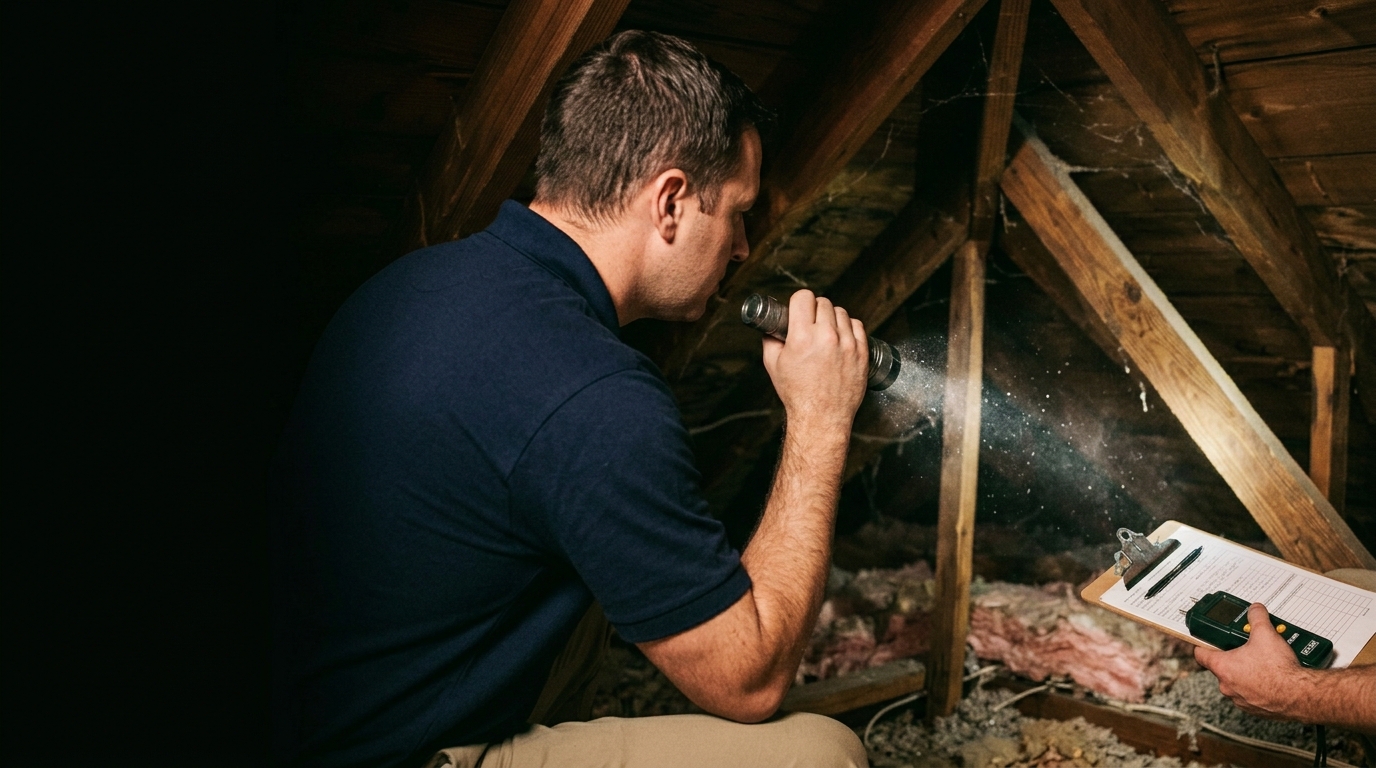
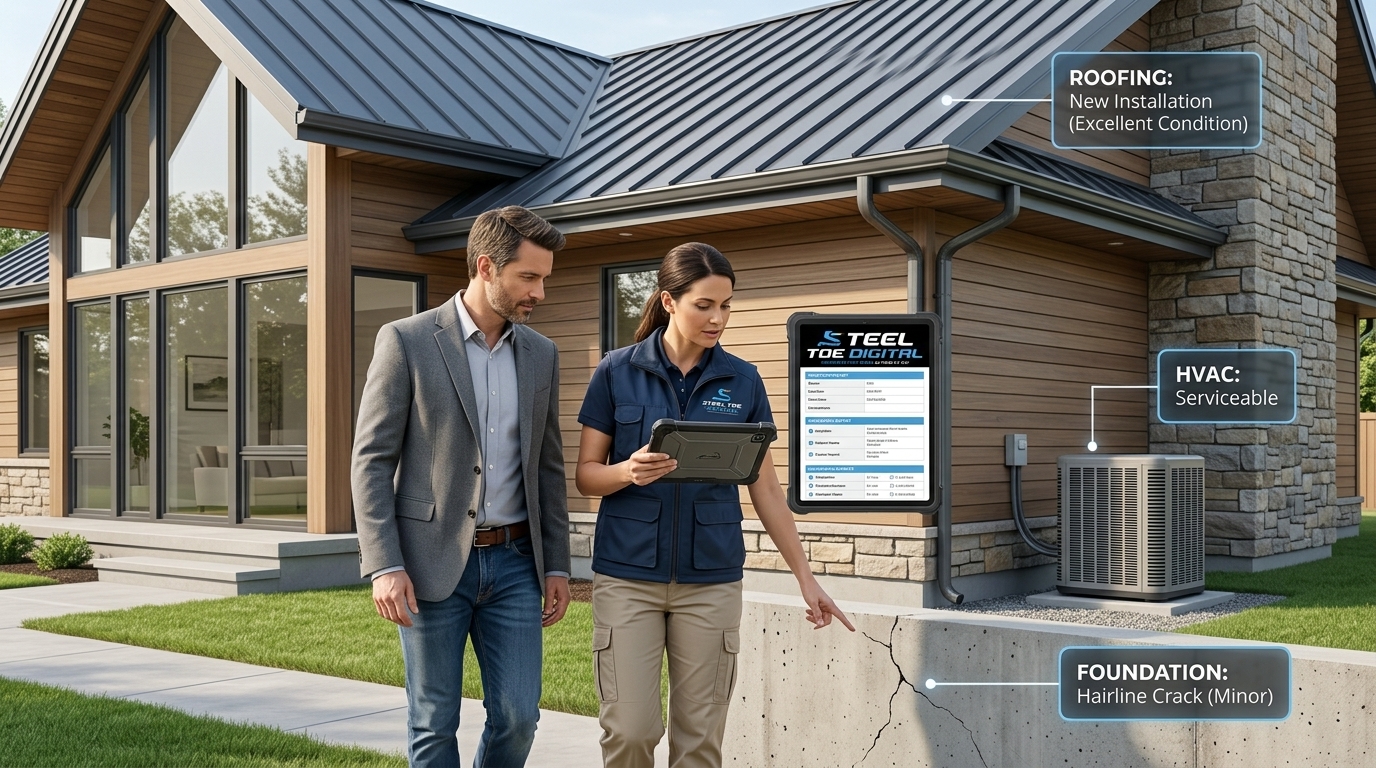
A standard home inspection covers the major visible and accessible systems of a property: roof, gutters, and attic; foundation, basement, and crawlspace; exterior walls, grading, and drainage; structural components; electrical panel, wiring, and outlets; plumbing supply and drain lines; HVAC systems; windows, doors, and insulation; interior rooms, ceilings, and floors; and built-in appliances. Inspectors are not code enforcement officials and do not evaluate unpermitted work directly. They assess condition at the time of inspection, not history or future performance.
What certifications should I look for in a home inspector?
Look for InterNACHI Certified Professional Inspector (CPI) or ASHI-certified designation, plus any required state license. For specialty concerns, ask whether the inspector holds additional certification in radon, mold, thermal imaging, or sewer evaluation. An inspector who belongs to InterNACHI or ASHI is held to a published standards of practice and a code of ethics that unaffiliated inspectors are not.
Own a Home Inspection Company? Let’s Fill Your Calendar.
The companies above built the online presence that gets them chosen over the competition, even when they’re charging more.
SteelToe Digital builds marketing systems for home inspection companies that want more calls, more realtor referrals, and a Google presence that converts searchers into booked appointments. If you’re ready to see what your market opportunity looks like, let’s talk.
No pitch. No contract. Just a look at where you stand and what it would take to get more of the right calls.