You’re under contract. Your closing date is set. The question on the table: how much is a home inspection going to cost you, and what are you actually getting for that money?
Most home inspections run $300-$600. That number shifts based on square footage, where you live, and what additional tests you add. This guide breaks all of it down so you walk into that booking with no surprises.
How much does a home inspection cost in 2026? Most home inspections cost $300-$600. Smaller homes under 1,500 sq ft typically run $250-$375. Larger homes over 3,000 sq ft run $500-$750 or more. Add-on services like radon testing ($100-$200), mold testing ($150-$400), and sewer scope ($100-$250) increase the total.
Home Inspection Cost by Home Size
Square footage is the single biggest driver of inspection price. More space means more time on-site, more systems to check, and a higher fee.
| Home Size | Average Cost (2026) |
|---|---|
| Under 1,000 sq ft | $200-$300 |
| 1,000-1,500 sq ft | $250-$375 |
| 1,500-2,500 sq ft | $350-$475 |
| 2,500-3,500 sq ft | $450-$575 |
| 3,500-5,000 sq ft | $550-$750 |
| 5,000+ sq ft | $750-$1,200+ |
These are national midpoints. Your market will shift the numbers. A 2,000 sq ft home in suburban Ohio might run $350. The same home in Westchester County, New York runs closer to $550.
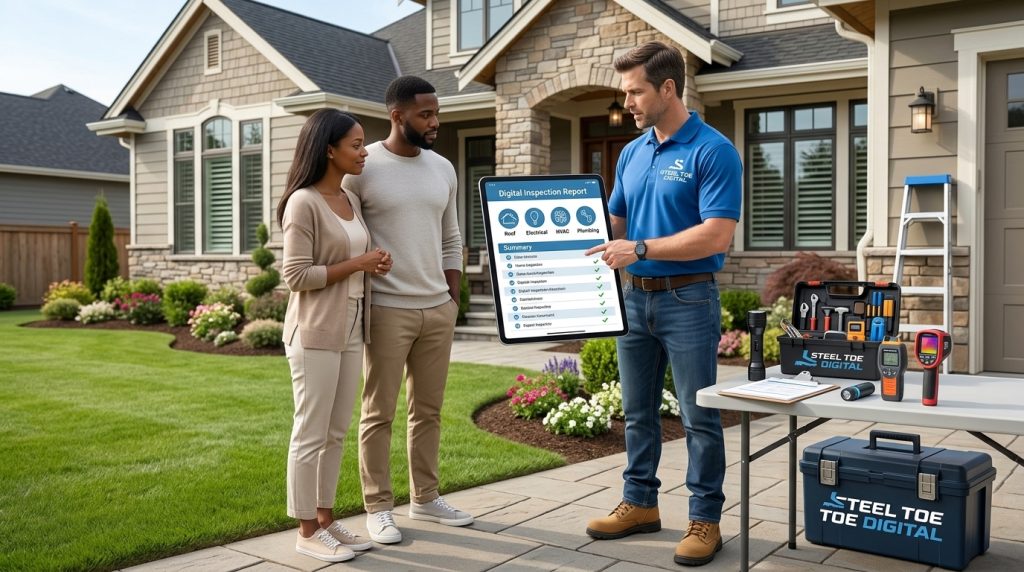
What Affects Home Inspection Cost?
Price is not random. Six things move it.
Square footage. Already covered. Every inspector charges more for bigger homes because they’re spending more time on-site. A 1,200 sq ft condo takes 90 minutes. A 4,500 sq ft house takes 3-4 hours.
Age of the home. Older homes take longer to inspect. A home built before 1980 may have knob-and-tube wiring, galvanized plumbing, or asbestos-containing materials that require extra attention. Inspectors often add $25-$75 for homes over 40 years old.
Location and cost of living. Labor costs differ by region. An inspector in Portland, Maine charges more than an inspector in rural Tennessee. Not because they’re better, but because their overhead is higher.
Home type. Condos cost less because the inspector skips the exterior envelope, roof access, and any common-area systems. Multi-family homes (2-4 units) cost more because every unit gets inspected.
Inspector certifications. InterNACHI-certified and ASHI-certified inspectors tend to charge slightly more than uncertified ones. The credential matters: both organizations require ongoing education and hold inspectors to a published standards of practice.
Add-on services. This is where your total can grow fast. Radon, mold, sewer scope, and water testing are separate line items. We cover those in the next section.
Cost of Additional Home Inspection Services
A general home inspection covers the structure, systems, and components visible at the time of inspection. It doesn’t cover things inside walls, underground, or airborne. Those require specialty tests.
| Add-On Service | Typical Cost (2026) |
|---|---|
| Radon testing | $100-$200 |
| Mold testing / air quality sampling | $150-$400 |
| Sewer scope (camera inspection) | $100-$250 |
| Thermal imaging (infrared) | $150-$350 (sometimes included) |
| Water quality testing | $100-$300 |
| Pre-listing inspection (sellers) | Same as standard inspection |
| New construction phase inspection | $200-$500 per phase |
| Septic inspection | $150-$400 |
| Well water flow test | $100-$250 |
Most buyers in radon-prone areas (EPA Zone 1, which covers parts of Pennsylvania, Ohio, Colorado, and others) should add radon testing as a matter of course. It’s cheap relative to what mitigation costs if you find a problem after closing.
Sewer scope is worth it on any home older than 25 years. Root intrusion and pipe deterioration don’t show up in a standard inspection. A blocked or collapsed sewer line can cost $4,000-$15,000 to fix.
Home Inspection Costs by Region
National averages don’t tell the whole story. Where you’re buying matters.
| Region | Typical Adjustment |
|---|---|
| Northeast (NY, NJ, MA, CT) | 20-35% above national average |
| West Coast (CA, WA, OR) | 15-25% above national average |
| Mountain West (CO, UT, AZ) | 5-15% above national average |
| Midwest | Close to national average |
| Southeast | At or slightly below national average |
| Rural areas (any region) | May be lower, but travel fees of $50-$100 common |
A 2,000 sq ft home in Manhattan will cost more to inspect than a 2,000 sq ft home in Columbus. That’s not a surprise. What surprises buyers is how much travel fees can add in rural areas where inspectors drive 45-60 minutes to the property.
What Does a Home Inspector Actually Check?
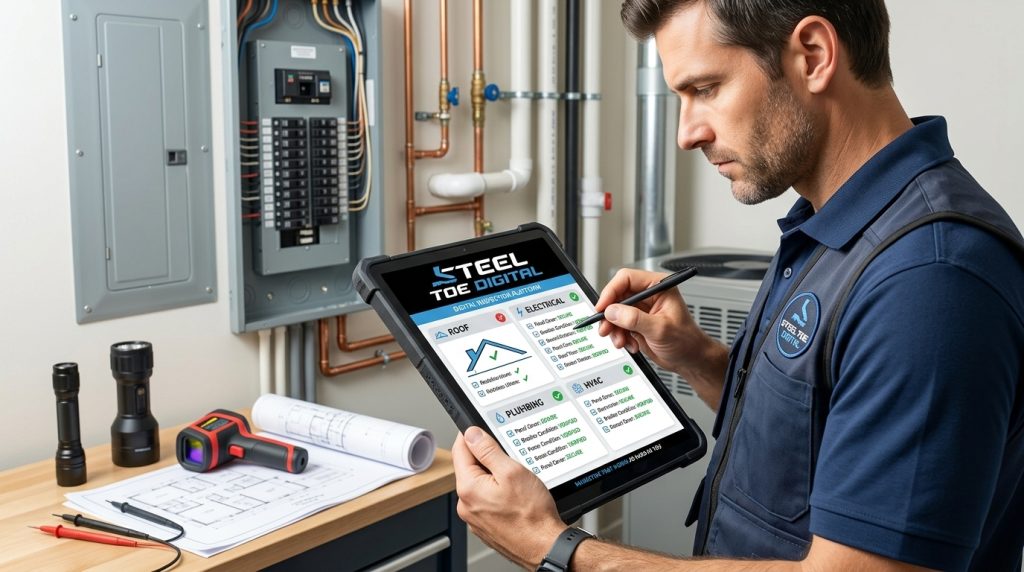
A licensed inspector following InterNACHI or ASHI standards covers:
- Roof: shingles, flashing, gutters, chimney, visible decking
- Exterior: siding, grading, driveways, walkways, deck and patio conditions
- Foundation: visible portions of foundation, basement or crawlspace for moisture and structural issues
- Electrical: panel, visible wiring, outlets, GFCIs, smoke detectors
- Plumbing: water pressure, visible supply and drain lines, water heater condition and age
- HVAC: heating and cooling equipment, age, performance, filter and ductwork condition
- Interior: doors, windows, floors, ceilings, stairs, railings, attic insulation and ventilation
- Appliances: built-in appliances (dishwasher, range, garbage disposal) are tested if present
The inspector is looking at what’s visible and accessible at the time of inspection. Finished basements, sealed crawlspaces, and items stored in front of the electrical panel all limit what they can see. That’s normal. A good inspector notes every limitation in the report.
Is a Home Inspection Worth the Cost?
Yes. Every time.
The average home inspection uncovers issues that cost somewhere between $1,000 and $10,000 to address. Some are minor: a water heater that’s 14 years old (average lifespan is 8-12 years), an electrical outlet without GFCI protection in the kitchen. Some are serious: a crawlspace with active water intrusion, a roof with 2-3 years of life left.
Buyers in competitive markets sometimes waive the inspection to make their offer more attractive. That’s a calculation buyers make. But you’re taking on a home with no verified condition knowledge. If a major issue surfaces after closing, you own it.
For a $300-$600 cost on a home purchase that likely represents the largest financial transaction of your life, the math isn’t close.
Sellers who get pre-listing inspections also benefit. You find the problems before a buyer’s inspector does, which means you control the narrative instead of scrambling to respond to an inspection report 5 days before closing.

How to Choose a Home Inspector
Price is not the right filter. A $275 inspection on a $450,000 home is not a bargain if the inspector misses a failing HVAC system or a moisture problem in the crawlspace.
Look for these things instead:
Certification. InterNACHI and ASHI are the two major national certifications. Both require testing, continuing education, and adherence to published standards. Not every state requires licensing, so certification is often the only external quality signal you have.
Reviews. Look for 4.8 stars or higher with at least 50 Google reviews. Read the negative ones. Are buyers complaining that the inspector missed something? That’s a red flag.
Sample report. Ask for a sample before you book. Good inspection reports are detailed, photo-documented, and organized. A one-page checklist is not a report.
Response time and booking experience. Inspectors with online booking, confirmation emails, and a professional follow-up process run better operations. That’s not superficial. It reflects how seriously they take their work.
Independence from your agent. Your Realtor may suggest an inspector. That’s fine as a starting point, but do your own research. The inspector should be working for you, not for the transaction.
For a broader look at which inspection companies operate at the highest level nationally, see our guide to the best home inspection companies in America.
What to Do After the Inspection Report
The inspection report is a negotiating tool, not a list of demands.
Most experienced buyers focus on three categories: safety issues (anything involving electrical, structural integrity, or gas), major systems that are failing or near end of life (roof, HVAC, water heater, foundation), and items that are expensive to fix that weren’t disclosed.
Cosmetic items, normal wear, and deferred maintenance on older homes are usually not worth negotiating. The seller already priced those in.
You can ask the seller to fix specific items, reduce the price by the estimated repair cost, or offer a credit at closing. What the seller agrees to depends on the market. In a buyer’s market, you have more leverage. In a competitive market, pushing on minor items can kill the deal.
FAQ
Who pays for the home inspection?
The buyer typically pays for the inspection and books it directly. It’s usually due at the time of service, before you receive the report. Sellers who order pre-listing inspections pay for those themselves. In some cases, buyers negotiate for sellers to pay inspection costs as part of a contract, but this is not standard practice.
How long does a home inspection take?
Most inspections take 2-4 hours. A 1,500 sq ft condo takes closer to 90 minutes. A 4,000 sq ft house with a full basement, crawlspace, and detached garage can take 4-5 hours. Add-on services like radon or sewer scope can add 30-60 minutes.
Can you negotiate after a home inspection?
Yes. The inspection period in most contracts exists specifically to give buyers the ability to request repairs, price reductions, or credits based on what the inspection finds. Requests should focus on safety issues and major defects, not normal wear and tear.
What does a home inspection not cover?
A standard inspection doesn’t cover things that are behind walls, underground, inaccessible, or require specialty equipment. Mold, radon, water quality, and sewer conditions require separate tests. Chinese drywall, asbestos, lead paint, and underground oil tanks also fall outside a standard inspection scope.
Should I be present during the home inspection?
Yes. Walking the inspection with the inspector is the most valuable part. You’ll see problems in context, get a sense of their severity, and ask questions in real time. The written report is useful, but there’s no substitute for hearing the inspector explain what they’re looking at and why it matters. Plan to be there for the full inspection.
How do I find a good home inspector?
Search InterNACHI’s member directory or ASHI’s inspector finder at nachi.org or homeinspector.org. Cross-reference with Google reviews. Ask for a sample report. A 10-minute call before booking will tell you quickly whether the inspector communicates clearly.
Are You a Home Inspector Ready to Get More Bookings?
The buyers searching “how much does a home inspection cost” right now are 48-72 hours from booking. If your company isn’t ranking for these searches, someone else in your market is getting those calls.
SteelToe Digital builds marketing systems for home inspection companies that want more direct bookings without paying referral fees to directories. We’ve worked with trades and inspection businesses from the inside. We know what it takes to rank, convert, and keep the phone ringing year-round.
Our work covers home inspection marketing, SEO for home inspectors, lead generation, and website design built for conversions. See the full picture at our services page.
Get a Free Strategy Call
No pitch. No pressure. Just a look at where you stand in your market right now.